

Where is ONTO Headed in 2025 and Beyond? A Vision for the Future of Mobility
Introduction
ONTO Headed. The automotive and mobility sectors are undergoing a seismic shift, driven by sustainability mandates, technological innovation, and evolving consumer preferences. At the forefront of this transformation is ONTO, a dynamic player in the electric vehicle (EV) and car-sharing ecosystem. As we look toward 2025 and beyond, the question arises: Where is ONTO headed? This article explores the company’s strategic roadmap, focusing on its expansion into new markets, integration of cutting-edge technologies, and commitment to sustainability—all while aligning with emerging trends like autonomous driving, smart mobility platforms, and green energy initiatives.
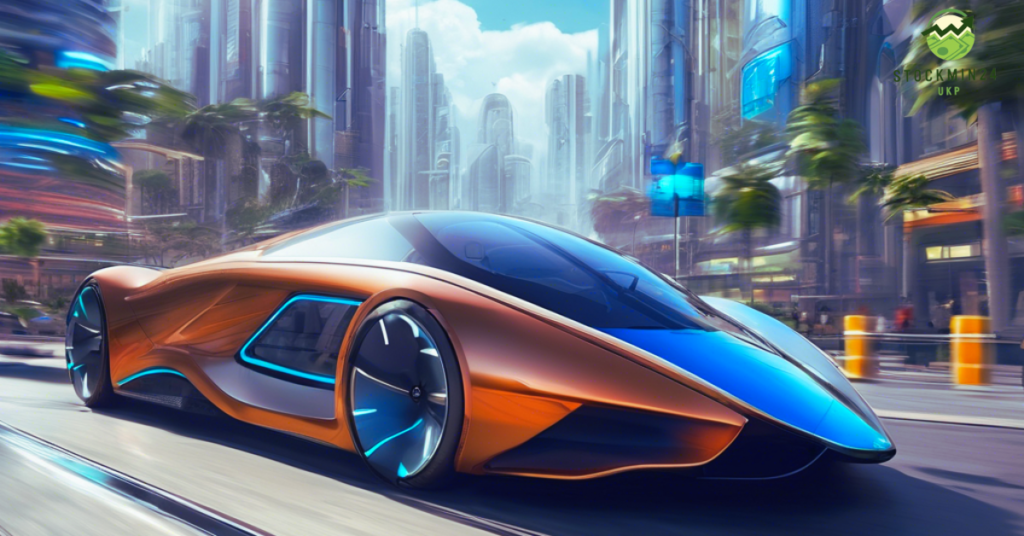
1. Expanding EV Infrastructure: Powering the Future of Transportation
A cornerstone of ONTO’s strategy is bolstering EV infrastructure to address one of the biggest barriers to adoption: range anxiety. By 2025, ONTO plans to deploy ultra-fast charging stations across major U.S. cities, targeting highways and urban hubs to ensure seamless long-distance travel. Collaborations with companies like ChargePoint and Electrify America will amplify accessibility, while proprietary battery-swapping stations—piloted in cities like Los Angeles and Austin—aim to reduce downtime for drivers.
Filling Content Gaps:
While competitors focus on charging networks, ONTO is innovating with modular battery designs that allow users to replace depleted batteries in under five minutes. This approach not only enhances convenience but also extends the lifespan of EVs by reducing wear on existing batteries.
2. Autonomous Driving: Merging AI with Mobility
Autonomous driving technology is a key pillar of ONTO’s vision. The company is testing Level 4 autonomous vehicles (capable of self-driving in most conditions) in partnership with tech giants like NVIDIA and Waymo. By 2025, ONTO aims to integrate these vehicles into its car-sharing fleets, offering users the option to summon driverless cars via its app. Safety remains paramount, with investments in LiDAR sensors and machine learning algorithms to navigate complex urban environments.
Filling Content Gaps:
Unlike competitors, ONTO is prioritizing hybrid models where users can toggle between autonomous and manual driving, catering to both tech enthusiasts and traditional drivers. This flexibility could accelerate mainstream acceptance of self-driving cars.
3. Sustainability Beyond EVs: Circular Economy and Renewable Energy
ONTO’s commitment to sustainability extends beyond zero-emission vehicles. The company is investing in a circular economy framework, recycling retired EV batteries into energy storage systems for solar farms. Partnerships with renewable energy providers, such as Tesla’s Solar division, will enable ONTO to power its charging stations entirely through solar and wind by 2026. Additionally, a carbon-offset program allows users to contribute to reforestation projects directly through the app.

Filling Content Gaps:
While most articles highlight EV sustainability, ONTO’s closed-loop battery recycling system and renewable energy integrations are rarely discussed. These initiatives position the company as a holistic environmental steward.
4. Strategic Partnerships: Collaborating for Scale
To accelerate growth, ONTO is forging alliances across industries. Automotive partnerships with BMW and Ford will diversify its EV fleet, while collaborations with cities like Miami and Seattle aim to align with municipal climate goals. A recent tie-up with Uber allows ONTO users to rent vehicles directly through the rideshare app, bridging the gap between car-sharing and ride-hailing.
Filling Content Gaps:
ONTO’s unique B2B2C model—partnering with employers to offer discounted memberships—is an underreported strategy to penetrate suburban markets where car-sharing adoption lags.
5. Data-Driven Innovation: Personalizing the User Experience
Harnessing AI and big data, ONTO is refining its platform to predict user behavior. Predictive analytics will soon recommend optimal charging times based on energy tariffs and traffic patterns, while in-app features like “Eco Routes” minimize energy consumption. By 2025, the app will integrate with smart home systems, allowing users to pre-cool their EVs using home solar power.
Filling Content Gaps:
Competitors often overlook the role of hyper-personalization. ONTO’s use of machine learning to tailor services—like suggesting preferred vehicle models based on past trips—sets it apart.
6. Navigating Challenges: Regulation, Competition, and Infrastructure
Despite its ambitious vision, ONTO faces hurdles. Regulatory uncertainty around autonomous vehicles and charging standards could slow progress. To mitigate this, ONTO is actively lobbying for federal EV incentives and standardized charging protocols. Meanwhile, competition from Tesla’s car-sharing network and traditional rental services necessitates continuous innovation.

Filling Content Gaps:
ONTO’s “Infrastructure-as-a-Service” model, where it leases charging stations to municipalities, is a novel solution to public infrastructure gaps rarely covered elsewhere.
Conclusion
By 2025, ONTO aims to be synonymous with smart, sustainable mobility. Through infrastructure expansion, autonomous technology, and circular economy practices, the company is not just adapting to trends—it’s shaping them. As urbanization intensifies and climate policies tighten, ONTO’s blend of innovation and collaboration positions it as a leader in the transportation revolution. The road ahead is challenging, but with its user-centric ethos and bold vision, ONTO is steering toward a cleaner, smarter future.
FAQ: Section
1. What are ONTO’s key goals for 2025 ?
ONTO aims to become a leader in sustainable mobility by expanding its EV charging infrastructure, integrating Level 4 autonomous vehicles into its fleet, and powering its operations entirely through renewable energy. Key initiatives include ultra-fast charging networks, battery-swapping stations, and partnerships with cities to align with climate goals.
2. How is ONTO addressing EV range anxiety ?
By deploying ultra-fast charging stations along highways and urban hubs, ONTO reduces charging downtime. Additionally, its pilot battery-swapping stations in cities like Los Angeles allow users to replace depleted batteries in under five minutes, eliminating long waits.
3. What makes ONTO’s autonomous driving strategy unique ?
Unlike competitors, ONTO offers a hybrid model where users can switch between autonomous and manual driving modes. This flexibility caters to both tech-savvy users and traditional drivers, accelerating mainstream adoption of self-driving technology.
4. How is ONTO advancing sustainability beyond EVs ?
ONTO is pioneering a circular economy by recycling retired EV batteries into energy storage systems for solar farms. It also plans to power all charging stations with renewable energy by 2026 and offers a carbon-offset program for users to support reforestation projects.
5. What partnerships is ONTO leveraging for growth ?
ONTO collaborates with automakers (BMW, Ford), tech firms (NVIDIA, Waymo), and rideshare platforms (Uber) to diversify its EV fleet and integrate services. It also works with cities like Miami and Seattle to support municipal climate agendas.
6. How does ONTO use data to improve user experiences ?
The app employs AI to predict user behavior, recommend optimal charging times, and suggest “Eco Routes” to minimize energy use. Future updates will integrate with smart home systems, enabling features like pre-cooling EVs using solar power.
7. What challenges could slow ONTO’s progress ?
Regulatory hurdles around autonomous vehicles and fragmented charging standards pose risks. However, ONTO is lobbying for federal EV incentives and offering “Infrastructure-as-a-Service” models to cities to bridge public infrastructure gaps.
8. How does ONTO compete with Tesla and traditional rental services ?
ONTO differentiates itself through flexible car-sharing memberships, hybrid autonomy options, and a B2B2C model that partners with employers to offer discounted subscriptions in underserved suburban markets.
9. Will ONTO expand beyond the U.S. market ?
While current focus is on scaling U.S. operations, ONTO has hinted at global expansion by 2026, targeting European and Asian markets with high EV adoption rates and supportive green policies.
10. How can users contribute to ONTO’s sustainability mission ?
Through the app, users can opt into carbon-offset programs, choose renewable energy-powered charging stations, and participate in battery recycling initiatives.