


Trump Announces Plans to Discuss Ukraine War with Putin and Zelensky on Monday
Trump. Former U.S. President Donald Trump revealed on Saturday that he intends to speak with Russian President Vladimir Putin and Ukrainian President Volodymyr Zelensky on Monday regarding the ongoing war in Ukraine. The announcement, made during a campaign event in Pennsylvania, has sparked widespread attention and debate, given Trump’s potential return to the White House in 2025 and his history of advocating for a negotiated settlement to the conflict.
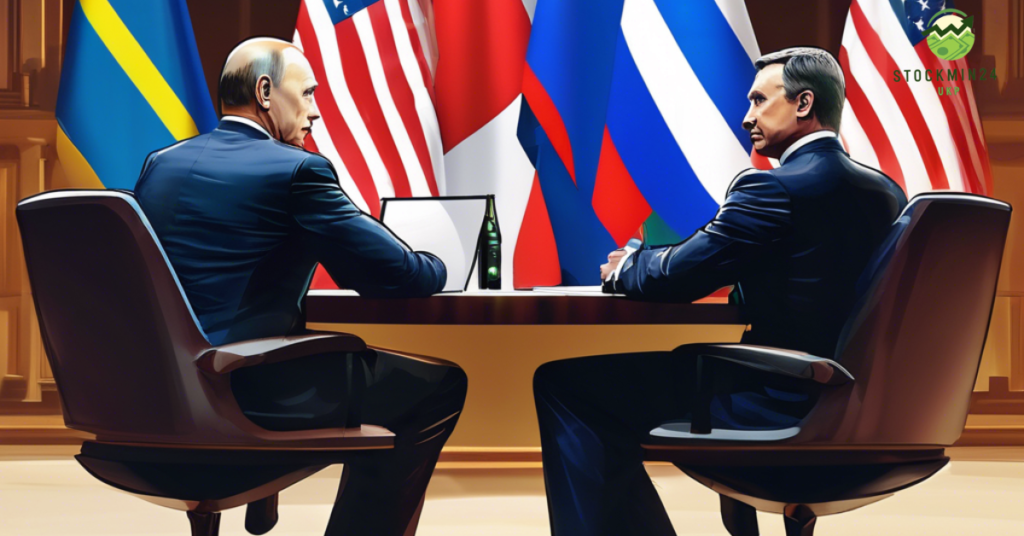
Trump’s Proposed Diplomatic Outreach
Trump, the presumptive Republican presidential nominee, framed the planned calls as part of his broader strategy to “end the war quickly” if reelected. “I’ll be speaking to both gentlemen on Monday… and we’ll figure out how to stop dying, how to stop this horror,” he told supporters. While Trump did not clarify whether the conversations would be coordinated with the Biden administration, his team later emphasized that these would be “private discussions,” not official U.S. diplomacy.

The former president has repeatedly claimed he could resolve the conflict “in 24 hours,” citing his rapport with Putin and prior interactions with Zelensky during his presidency. Critics, however, have raised concerns about Trump’s past adversarial stance toward Ukraine—including his 2019 impeachment over allegations of withholding military aid to pressure Zelensky into investigating Joe Biden—and his frequent praise of Putin.
Reactions from Key Stakeholders
- U.S. Administration: White House Press Secretary Karine Jean-Pierre reiterated that “President Biden is the sole voice of U.S. foreign policy,” subtly criticizing Trump’s freelance diplomacy. Officials expressed worries that such outreach could undermine ongoing U.S. and NATO efforts to support Ukraine.
- Ukraine: Zelensky’s office acknowledged the potential call cautiously, stating, “All dialogue is welcome, but Ukraine’s territorial integrity remains non-negotiable.” Ukrainian officials have long resisted pressure to concede land to Russia as part of any peace deal.

- Russia: Kremlin spokesman Dmitry Peskov noted that Putin “remains open to communication,” though he emphasized that Russia’s objectives in Ukraine—including the annexation of occupied regions—are unchanged.
Implications of Trump’s Move
FAQ Section
| Question | Answer |
|---|---|
| Why is Trump engaging with Putin and Zelensky? | Trump claims he aims to broker peace, aligning with his campaign promise to end the war swiftly. Critics view it as a political stunt. |
| Is Trump authorized to negotiate on behalf of the U.S.? | No. Only sitting presidents and designated officials can conduct official U.S. diplomacy. |
| How has Trump previously addressed Ukraine? | As president, Trump delayed military aid to Ukraine, leading to his first impeachment. He has praised Putin’s leadership repeatedly. |
| What is Ukraine’s stance on Trump’s involvement? | Ukraine remains open to dialogue but insists on retaining sovereignty over Russian-occupied territories. |
| Could this affect the 2024 election? | Yes. Trump’s portrayal as a dealmaker may appeal to voters weary of prolonged conflict, though risks alienating bipartisan Ukraine supporters. |
Comparative Approaches to the Ukraine War: Biden vs. Trump
| Policy Aspect | Biden Administration | Trump’s Proposals |
|---|---|---|
| Military Aid | Sent over $75 billion in weapons and aid to Ukraine. | Skeptical of prolonged aid; urges Europe to pay more. |
| Negotiations | Supports Ukraine’s conditions for peace. | Advocates immediate talks, potentially involving territorial compromises. |
| Russia Relations | Imposed severe sanctions; labels Putin a war criminal. | Praises Putin’s pragmatism; seeks restored dialogue. |
Conclusion
Donald Trump’s planned discussions with Putin and Zelensky underscore his unconventional approach to foreign policy and his determination to position himself as a decisive leader ahead of November’s election. While the initiative may resonate with voters seeking an end to the war, it risks fracturing bipartisan support for Ukraine and complicating ongoing U.S. diplomatic efforts. The Biden administration faces a delicate balancing act: reaffirming its commitment to Ukraine while addressing concerns that Trump’s shadow diplomacy could destabilize international alliances. Ultimately, the situation highlights the profound implications of domestic politics on global conflict resolution—and the challenges of navigating both.
As the world watches Monday’s developments, the key question remains: Can private diplomacy by a former president yield progress, or will it further muddy the waters in a war with no easy end in sight?