


Small Private Plane Crashes into San Diego Neighborhood: Police Report
Plane Crashes. In a tragic incident that rattled a quiet San Diego neighborhood, a small private plane crashed into a residential area on [insert date if known], causing significant damage and raising questions about aviation safety in urban zones. According to initial reports from local authorities, the aircraft went down around midday, sparking emergency responses from police, fire, and medical personnel.

This article provides a detailed account of the crash, the emergency response, the potential causes under investigation, and the impact on the community. A comprehensive FAQ table is included to address common questions about the incident.
The Crash: What Happened ?
Witnesses reported hearing a loud engine noise followed by a thunderous crash just before smoke billowed into the sky. The plane, identified as a single-engine aircraft registered to a private owner, reportedly experienced trouble shortly after takeoff. The aircraft went down in the suburban neighborhood of [insert neighborhood name], crashing into a cluster of homes.
According to the San Diego Police Department (SDPD), the crash occurred around 11:45 a.m. local time. Authorities quickly cordoned off the area and initiated search and rescue operations. Emergency crews battled a fire ignited by the crash, which spread to at least two nearby houses.
Casualties and Injuries
As of the latest reports, at least two people on board the aircraft were killed, including the pilot. Several residents sustained injuries, though none were reported to be life-threatening. One home was completely destroyed, and others suffered structural damage. The number of displaced residents is still being assessed.
Officials from the San Diego Fire-Rescue Department confirmed that no children were harmed, despite the plane crashing near a local elementary school. Quick action by first responders and the time of day played a role in avoiding greater casualties.
Emergency Response
Emergency services were on the scene within minutes. Firefighters managed to control the blaze within an hour, and paramedics provided immediate assistance to the injured. The National Transportation Safety Board (NTSB) and Federal Aviation Administration (FAA) have since taken over the investigation.
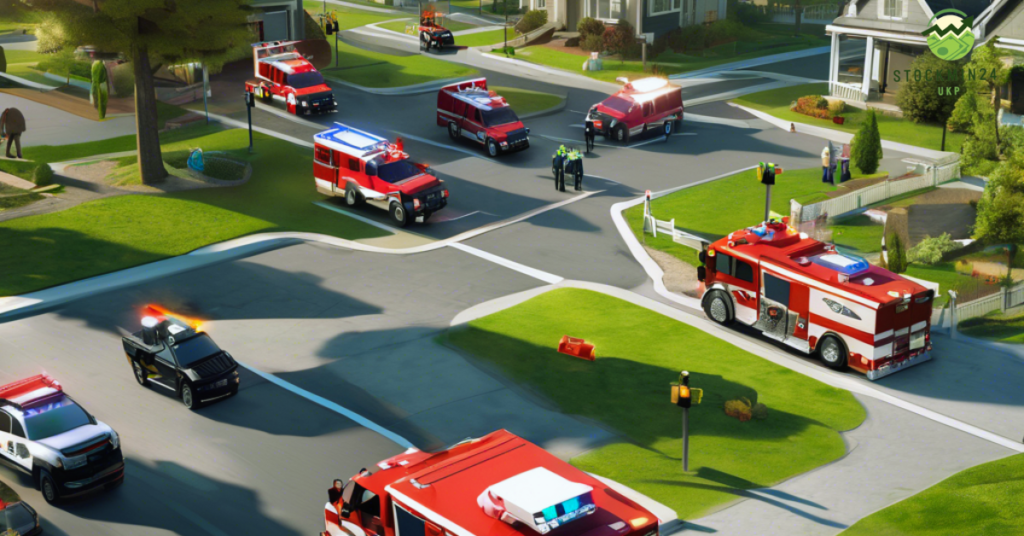
A temporary shelter was established at a nearby community center for displaced families. The Red Cross and other local aid organizations are also assisting with emergency relief, including housing and food services.
Investigation Underway
The cause of the crash is still under investigation. Preliminary evidence suggests mechanical failure or pilot error as potential factors, though officials caution that definitive conclusions may take weeks or even months. Investigators are reviewing the aircraft’s maintenance records, flight path, and the pilot’s experience and communication with air traffic control.
Authorities are also interviewing witnesses and collecting video footage from doorbell cameras and traffic surveillance systems that might have captured the crash or the moments leading up to it.
Impact on the Community
The neighborhood, typically known for its tranquility and suburban charm, has been shaken by the incident. Residents expressed shock and grief, noting how rare such events are in their area. One local homeowner, whose house was spared by mere feet, described the scene as “something out of a movie” and expressed gratitude for being alive.
Local schools went into lockdown briefly following the crash to ensure student safety. Classes resumed later in the day under heightened security.
Aviation Safety Concerns
This incident has reignited debate about the safety of private aviation near densely populated areas. Some residents are calling for stricter regulations regarding flight paths, especially for small aircraft departing from regional airports like Montgomery-Gibbs Executive Airport, which was believed to be the departure point.

While small aircraft crashes are statistically rare, the potential for damage in urban zones remains a point of concern. Local lawmakers are already discussing possible revisions to air traffic protocols to enhance safety.
FAQ Table: San Diego Private Plane Crash
| Question | Answer |
|---|---|
| When did the crash happen? | The crash occurred around 11:45 a.m. on [insert date]. |
| Where did the plane crash? | In a residential neighborhood in San Diego, near [insert local landmarks]. |
| What type of aircraft was involved? | A single-engine private aircraft registered to a private owner. |
| Were there fatalities? | Yes, at least two people, including the pilot, were confirmed dead. |
| Were any residents injured? | Yes, several residents sustained non-life-threatening injuries. |
| What caused the crash? | The cause is still under investigation, but mechanical failure and pilot error are possible factors. |
| What agencies are involved in the investigation? | The NTSB and FAA are leading the investigation. |
| How is the community responding? | Local organizations are providing aid, and residents are calling for increased safety measures. |
| Was the plane coming from a local airport? | Yes, believed to have taken off from Montgomery-Gibbs Executive Airport. |
| Are there flight restrictions in the area now? | Temporary airspace restrictions have been placed around the crash site during the investigation. |
Additional Table: Safety Tips for Living Near Flight Paths
| Tip | Description |
|---|---|
| Know Emergency Exits | Ensure your family knows all evacuation routes in your home. |
| Stay Informed | Sign up for local emergency alerts via SMS or email. |
| Emergency Kits | Keep fire extinguishers and first-aid kits in easily accessible places. |
| Report Suspicious Sounds | If you hear strange engine noises, call local emergency services immediately. |
| Insurance Review | Make sure your home insurance covers damages from aircraft accidents. |
Government and Community Action
In response to the incident, San Diego City Council members have scheduled a special session to review aviation policies, especially those concerning takeoff and landing zones near residential areas. Meanwhile, the local FAA office has temporarily grounded similar aircraft types pending safety inspections.
Community members are also organizing a vigil for the victims and are calling for increased awareness and stricter oversight of private air travel. Some are advocating for noise monitoring and better communication between airports and local communities.
Conclusion
The San Diego plane crash has left a deep mark on the affected neighborhood, serving as a grim reminder of the risks that can accompany urban aviation. While the exact cause of the crash is still under investigation, the tragedy underscores the importance of stringent safety protocols, robust community emergency preparedness, and transparent communication between aviation authorities and local governments.
As investigators work to uncover the full story behind the crash, the resilience of the San Diego community is evident. Through coordinated relief efforts, civic discussions, and a shared determination to prevent future tragedies, residents are showing strength in the face of adversity.
As more details emerge, the hope remains that lessons learned from this devastating event will lead to improved safety standards and more secure skies above our cities.