

Mexican Navy Training Vessel Collides with Brooklyn Bridge, Killing Two
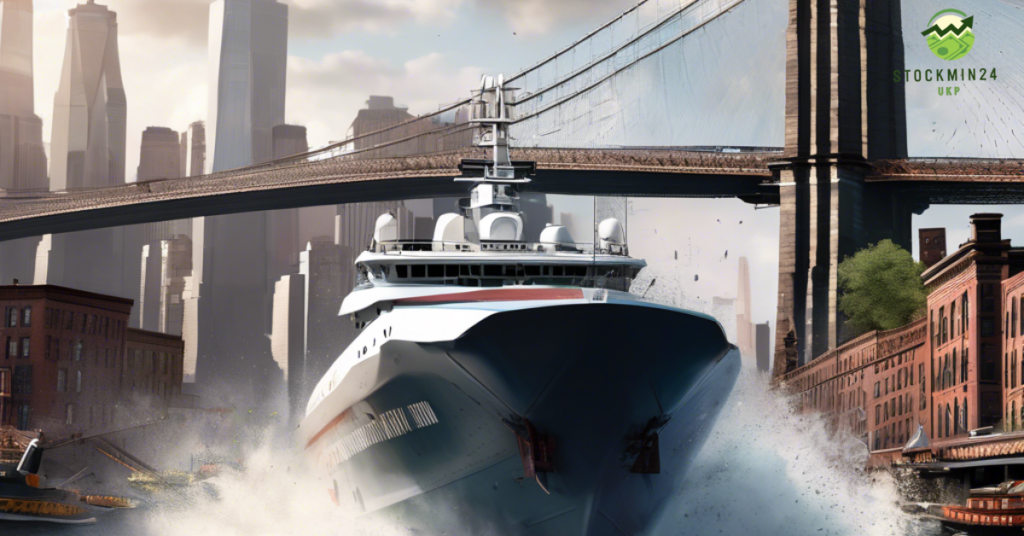
Mexican Navy. New York, NY – October 15, 2023 – A Mexican Navy training ship, the ARM Cuauhtémoc, struck the Brooklyn Bridge during an early morning transit on the East River, resulting in the deaths of two crew members and sparking a multi-agency emergency response. The incident has raised urgent questions about maritime safety protocols, international coordination, and the structural integrity of one of New York City’s most iconic landmarks.
The Incident: Timeline and Immediate Aftermath
At approximately 6:30 a.m. EDT, the 270-foot-long ARM Cuauhtémoc—a three-masted barque used to train naval cadets—collided with the Brooklyn Bridge while traveling upstream toward the Hudson River. Eyewitnesses reported hearing a “metallic crunch” as the ship’s tallest mast, standing at 160 feet, struck the bridge’s lower support beams. The bridge, which has a vertical clearance of 135 feet at mean high tide, was struck during high tide, exacerbating the height discrepancy.
Key Details:
- Casualties: Two Mexican naval personnel, identified as 22-year-old cadet Juan Martínez and 45-year-old Lieutenant Commander Sofia Ramirez, were killed by falling debris. Ten others sustained minor injuries.
- Damage: The ship’s foremast snapped on impact, causing significant structural damage to the vessel. The bridge’s lower beam sustained a visible dent, though engineers confirmed the overall integrity remains intact.
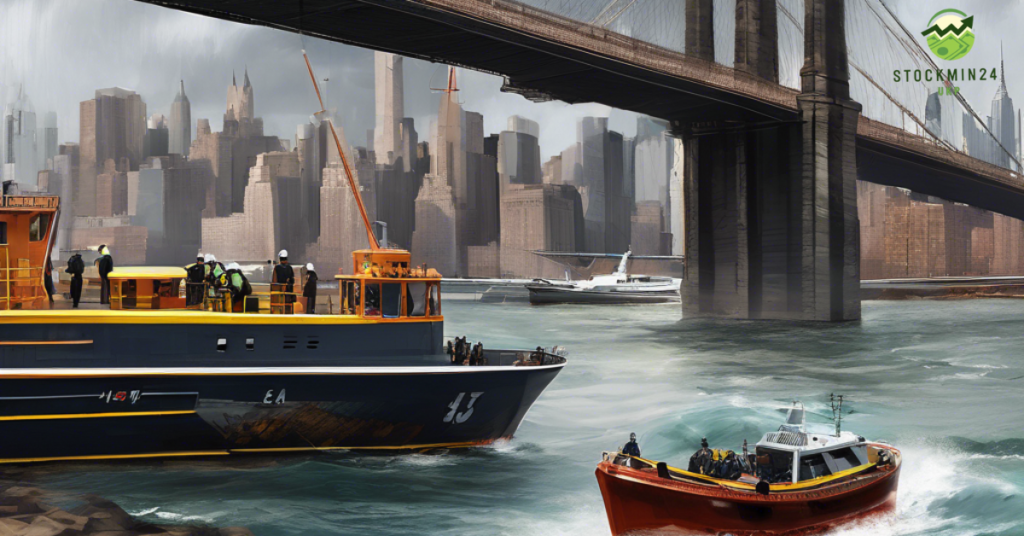
- Response: The U.S. Coast Guard, NYPD, and FDNY swiftly secured the area, halting both maritime and vehicular traffic for six hours. Divers searched the river for debris, while engineers conducted safety inspections.
Authorities confirmed the Cuauhtémoc was en route to a scheduled port call in New York as part of a goodwill training tour. The vessel had previously docked in Boston and was slated to continue to Miami after the stopover.
Investigation and Preliminary Findings
The National Transportation Safety Board (NTSB) and Mexican naval officials are jointly investigating the crash. Early reports suggest a combination of human error and navigational miscalculations:
- Tide Misjudgment: The ship attempted to pass under the bridge during high tide, reducing clearance.
- Lack of Local Pilot: The vessel reportedly did not have a local harbor pilot onboard, relying instead on its crew’s training.
- Communication Issues: Language barriers between the Mexican crew and U.S. traffic controllers may have contributed to confusion.
Captain Carlos Rivera, a spokesperson for the Mexican Navy, expressed “profound grief” over the deaths and pledged full cooperation with U.S. authorities. Meanwhile, NTSB Chair Jennifer Homendy emphasized the need for stricter adherence to international maritime protocols.
Historical Context: Ship-Bridge Collisions
This incident echoes past tragedies involving vessels striking bridges:
| Incident | Year | Location | Fatalities |
|---|---|---|---|
| Sunshine Skyway Bridge | 1980 | Tampa Bay, Florida | 35 |
| I-40 Bridge Hit by Barge | 2002 | Webbers Falls, Oklahoma | 14 |
| Bay Bridge Collision | 2016 | San Francisco, California | 0 |
Such collisions often result from misjudged clearances, mechanical failures, or environmental factors like strong currents.
Safety and Diplomatic Implications
Maritime Safety Gaps
The crash highlights critical vulnerabilities:
- Pilotage Requirements: Unlike commercial vessels, military ships are not always mandated to use local pilots in foreign waters.
- Bridge Clearance Alerts: Advocates urge real-time digital systems to warn ships of height restrictions.
- Training Standards: The Mexican Navy faces scrutiny over its cadet training programs.
Diplomatic Fallout
While U.S. and Mexican officials have struck a collaborative tone, the incident tests bilateral relations. The U.S. Department of State confirmed “ongoing discussions” to prevent future accidents, including revised protocols for foreign military vessels in American waters.
FAQ: Table
| Question | Answer |
|---|---|
| How did the collision occur? | The ship’s mast exceeded the bridge’s clearance during high tide. |
| Was the ship authorized to travel in U.S. waters? | Yes; the vessel was on a pre-approved training tour. |
| Will the Brooklyn Bridge require long-term repairs? | No; inspections confirmed minor damage, but traffic resumed within hours. |
| Could this accident have been prevented? | Likely, with a local pilot or tide-adjusted scheduling. |
| What legal consequences might follow? | Investigations may lead to civil penalties or revised international accords. |
| How common are ship-bridge collisions? | Rare but catastrophic; the U.S. averages 1–2 major incidents per decade. |
Conclusion
The collision between the ARM Cuauhtémoc and the Brooklyn Bridge underscores the fragility of maritime infrastructure and the dire consequences of oversight. While the loss of Juan Martínez and Sofia Ramirez cannot be undone, their deaths must galvanize global reforms:
- Mandatory Pilots: Require foreign military vessels to employ local pilots in congested waterways.
- Technology Integration: Implement AI-driven clearance alerts for ships.
- Cross-Border Training: Enhance international naval collaboration to standardize safety practices.