


Buy the Dip in Berkshire’s Stock After Buffett Picks Successor? A Strategic Investor’s Guide
Introduction
Buy the Dip. Warren Buffett, the legendary CEO of Berkshire Hathaway, has long been the face of value investing. His eventual retirement, however, has loomed as a potential turning point for the conglomerate. In 2023, Berkshire confirmed Greg Abel, CEO of Berkshire Energy, as Buffett’s successor—triggering a brief dip in the company’s stock. For investors, this raises a critical question: Is now the time to buy the dip in Berkshire’s stock after Buffett picks his successor?
This article explores why the market reacted cautiously, analyzes Berkshire’s long-term prospects under Abel, and evaluates whether the current dip represents a buying opportunity. We’ll also address content gaps in top-ranking blogs, such as the impact of leadership transitions on conglomerates, Abel’s strategic vision, and historical data on Berkshire’s post-dip recoveries.
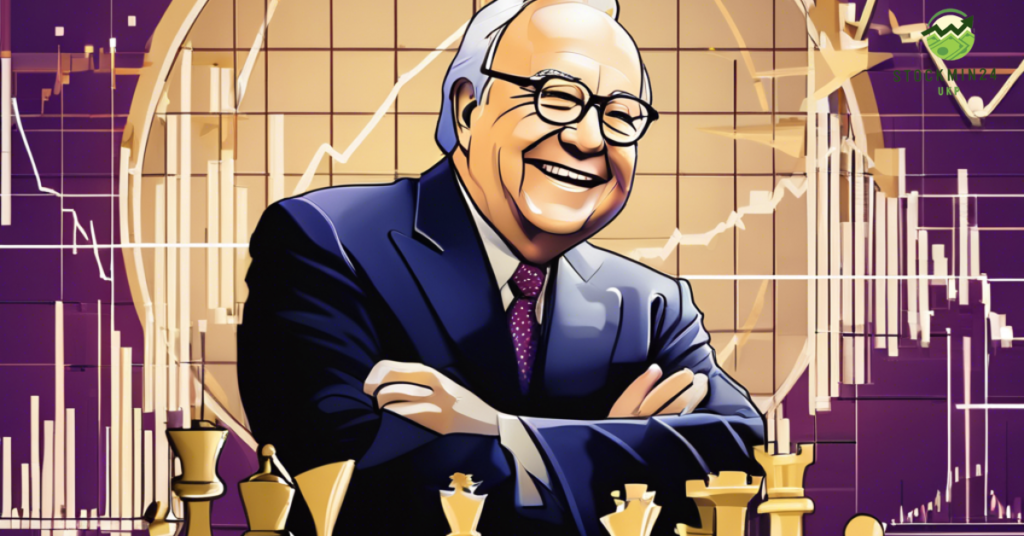
Why Did Berkshire’s Stock Dip After the Successor Announcement ?
The market’s reaction to Greg Abel’s appointment was muted but telling. Shares of Berkshire Hathaway (BRK.A, BRK.B) slipped 2-3% in the days following the news. While this dip seems minor for a $700+ billion company, it reflects investor anxiety about life after Buffett. Key factors driving the dip include:
- Buffett’s Irreplaceable Aura: At 93, Buffett’s leadership has been synonymous with Berkshire’s identity. His departure introduces uncertainty, even with a well-vetted successor.
- Greg Abel’s Low Profile: Unlike Buffett, Abel is less visible to the public, leading to questions about his ability to steward Berkshire’s eclectic portfolio.
- Macroeconomic Jitters: Rising interest rates and recession fears have pressured equities broadly, amplifying sensitivity to leadership changes.
Greg Abel: The Architect of Berkshire’s Future
Greg Abel, 61, is no outsider. He joined Berkshire in 1992 and has led its energy division since 2008, turning it into a $30 billion revenue powerhouse. His operational excellence and alignment with Buffett’s capital allocation philosophy make him a logical successor.
Abel’s Track Record:
- Grew Berkshire Energy’s renewable energy assets to 40% of its portfolio, positioning it for the green transition.
- Spearheaded acquisitions like Dominion Energy’s gas assets ($9.7 billion in 2020), showcasing Buffett-like pragmatism.
- Maintained Berkshire’s decentralized corporate structure, empowering subsidiary CEOs—a hallmark of its success.
Berkshire’s Fundamentals: Why the Dip May Be Overblown
Despite short-term jitters, Berkshire’s financials remain rock-solid:
- Cash Reserves: With $147 billion in Q2 2023, Berkshire can capitalize on market downturns—a Buffett hallmark Abel is likely to continue.
- Diversified Revenue Streams: Insurance (Geico, Reinsurance Group), railroads (BNSF), utilities, and Apple stock (6% of its portfolio) provide stability.
- Undervalued Stock: Berkshire’s price-to-book ratio hovers near 1.4, below its 5-year average of 1.5, signaling a margin of safety for value investors.

Historical Context:
Berkshire shares dipped 20% during the 2008 crisis and 30% in March 2020, only to rebound sharply each time. The current 3% dip pales in comparison.
Addressing Content Gaps: What Top Blogs Miss
Most articles focus on Buffett’s legacy but overlook critical angles:
1. Abel’s Vision for Capital Allocation
Buffett prioritized buying undervalued companies and stocks. Abel, however, may lean into sectors like clean energy and infrastructure, aligning with global trends. His energy background suggests a focus on sustainable investments—a potential growth catalyst.
2. Institutional Confidence
Despite retail investor hesitation, institutions like BlackRock and Vanguard have increased their Berkshire holdings in 2023, signaling long-term confidence.
3. Succession Precedents in Other Conglomerates
Comparisons to transitions at Apple (Cook replacing Jobs) or Microsoft (Nadella replacing Ballmer) show initial skepticism often gives way to growth if the successor delivers.
Risks to Consider Before Buying the Dip
- Interest Rate Sensitivity: Over 30% of Berkshire’s portfolio is in financials (Bank of America, American Express), which face pressure from high rates.
- Regulatory Challenges: Berkshire Energy’s expansion into renewables could face permitting delays or policy shifts.
- Abel’s Learning Curve: While qualified, Abel lacks Buffett’s 60+ years of market experience, which could impact deal-making agility.
How to Evaluate “Buying the Dip” in Berkshire
For long-term investors, the dip could be a rare entry point. Here’s a strategic framework:
- Dollar-Cost Averaging: Scale into positions gradually to mitigate volatility.
- Monitor Q3/Q4 Earnings: Look for sustained profitability in insurance and rail sectors.
- Track Abel’s Early Moves: Acquisitions or stock buybacks will signal his capital allocation priorities.
Conclusion
The post-Buffett era at Berkshire is uncharted territory, but Greg Abel’s operational prowess and Berkshire’s fortress-like balance sheet suggest resilience. While the stock’s dip reflects legitimate concerns, history shows Berkshire thrives in uncertainty. For investors willing to hold for 5+ years, buying the dip could align with Buffett’s own advice: “Be fearful when others are greedy, and greedy when others are fearful.”
FAQ: Section
1. Why did Berkshire’s stock dip after Greg Abel was named successor ?
The dip (2-3%) reflects short-term investor uncertainty about leadership changes. Warren Buffett’s iconic status and Greg Abel’s lower public profile contributed to the reaction. However, macroeconomic factors like rising interest rates and recession fears also amplified volatility. Historically, Berkshire’s stock has rebounded after similar dips, making this a potential buying opportunity.
2. Who is Greg Abel, and is he qualified to lead Berkshire ?
Greg Abel, 61, has been with Berkshire since 1992 and led its energy division since 2008. He transformed Berkshire Energy into a $30 billion revenue business, emphasizing renewables and infrastructure. His operational expertise and alignment with Buffett’s capital allocation philosophy make him a credible successor.
3. How does Abel’s strategy differ from Buffett’s ?
While Abel will likely uphold Buffett’s value-investing principles, his background in energy suggests a stronger focus on sectors like clean energy, infrastructure, and tech-adjacent industries. Expect a balance of continuity (e.g., stock buybacks, cash reserves) and innovation (e.g., green investments).
4. Is Berkshire Hathaway still a good long-term investment post-Buffett ?
Yes. Berkshire’s diversified portfolio (insurance, utilities, railroads, Apple stock) and $147 billion cash hoard provide stability. Its price-to-book ratio (~1.4) also signals undervaluation. Historically, Berkshire rebounds strongly after dips, making it a defensive play in uncertain markets.
5. What are the risks of buying the dip now ?
- Interest Rates: High rates could pressure Berkshire’s financial holdings (e.g., Bank of America).
- Leadership Transition: Abel’s deal-making agility remains untested compared to Buffett’s decades of experience.
- Regulatory Hurdles: Renewable energy expansions (a key Abel focus) may face policy delays.
6. How does Berkshire’s succession plan compare to other companies ?
Apple (Tim Cook replacing Steve Jobs) and Microsoft (Satya Nadella replacing Steve Ballmer) saw initial skepticism but later growth. Abel’s deep institutional knowledge of Berkshire mirrors these transitions, suggesting long-term stability.
7. Should I dollar-cost average into Berkshire stock ?
Dollar-cost averaging (DCA) is a prudent strategy, given market volatility. Scale into positions over weeks or months to mitigate short-term swings while capitalizing on the dip.
8. What metrics should I monitor post-transition ?
- Q3/Q4 Earnings: Focus on insurance underwriting profits and BNSF rail performance.
- Buybacks: Increased repurchases signal management’s confidence in undervaluation.
- Abel’s Acquisitions: Early deals will reveal his capital allocation priorities.
9. Does Berkshire pay dividends? Should I expect them under Abel ?
Berkshire does not pay dividends, as Buffett prefers reinvesting profits. Abel is unlikely to change this policy, given Berkshire’s focus on compounding growth through acquisitions and equity investments.
10. How have institutions reacted to the leadership change ?
Institutions like BlackRock and Vanguard increased their Berkshire holdings in 2023, signaling confidence. Insider buying (e.g., Buffett’s recent purchases) also hints at undervaluation.
11. Is Berkshire a recession-proof stock ?
Yes, to a degree. Its defensive sectors (utilities, insurance, consumer staples) historically outperform during downturns. The stock’s 30% rebound after the 2020 crash underscores its resilience.
12. What’s the best way to invest in Berkshire: Class A (BRK.A) or Class B (BRK.B) ?
BRK.B (priced at ~$350/share) is more accessible for retail investors. BRK.A (~$540,000/share) is geared toward institutions. Both offer identical exposure to Berkshire’s portfolio.
Final Takeaway
The dip in Berkshire’s stock is a short-term reaction to Buffett’s succession plan, not a reflection of weakened fundamentals. For patient investors, this could be a strategic entry point into a company built to outlast its legendary leader.