

At Least 21 Dead in Missouri, Kentucky as Severe Storms Sweep Central U.S.
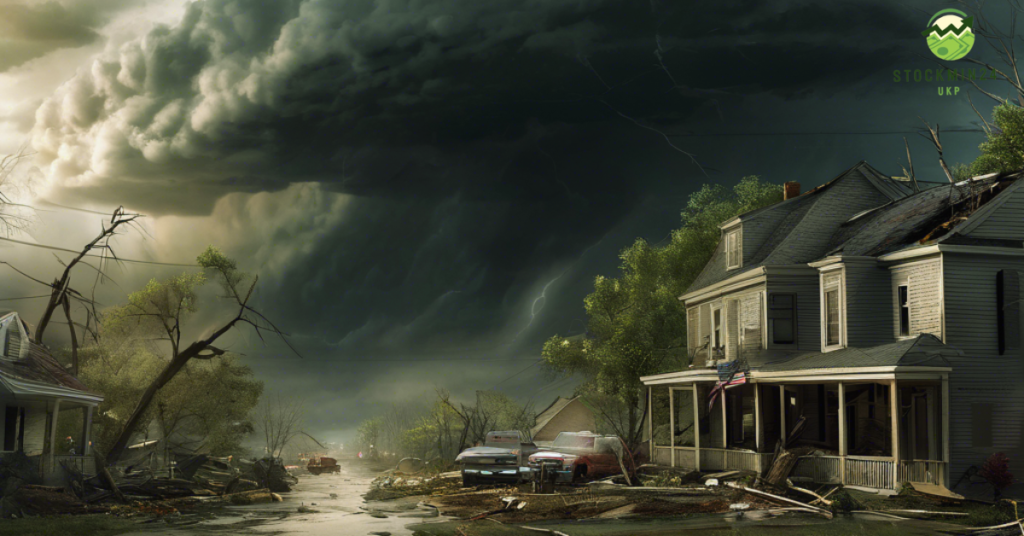
Missouri. A devastating wave of severe storms tore through the central United States this week, claiming at least 21 lives and leaving a trail of destruction in Missouri, Kentucky, and surrounding regions. The storms, which included tornadoes, torrential rains, and straight-line winds, caused widespread power outages, destroyed homes, and triggered emergency response efforts across multiple states.
State-by-State Impact
Missouri
Missouri bore the brunt of the disaster, with 12 fatalities reported. Tornadoes touched down in rural communities, flattening neighborhoods in Bollinger and Howell counties. Emergency crews worked through the night to rescue survivors trapped under debris. Governor Mike Parson declared a state of emergency, stating, “Our hearts are with the families who lost loved ones. We’re deploying every resource to aid recovery.”
Kentucky
In Kentucky, 9 deaths were confirmed, primarily due to flash flooding and wind damage. The town of Graves County saw entire streets submerged, with swift-water rescue teams evacuating stranded residents. Governor Andy Beshear described the storms as “one of the most catastrophic weather events in recent memory,” urging federal assistance for rebuilding efforts.
Response and Recovery Efforts
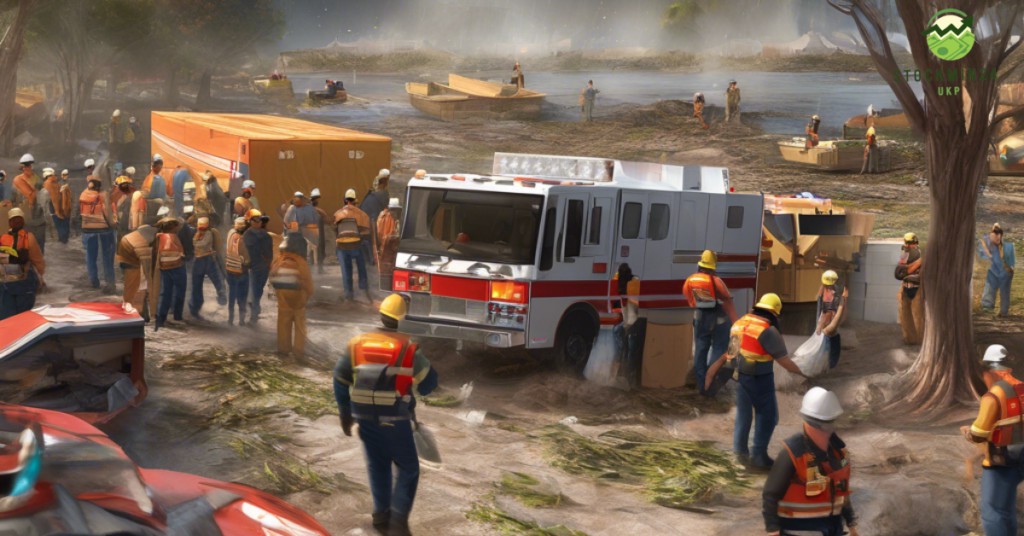
Federal and state agencies, including FEMA and the National Guard, mobilized to provide shelter, medical aid, and supplies. Over 100,000 homes remained without power Thursday morning, and damage estimates are expected to exceed $500 million. Local nonprofits like the Red Cross set up temporary shelters, while community-driven donation drives surged online.
Broader Climate Context
Meteorologists linked the storms to a volatile mix of unseasonably warm air and strong jet stream patterns. Climate scientists warn that such extreme weather events are becoming more frequent and intense due to climate change. “While no single storm can be attributed to global warming, the data shows a clear trend toward heavier rainfall and stronger wind events,” said Dr. Emily Carter, a climatologist at the University of Illinois.
FAQ Table
| Question | Answer |
|---|---|
| How many people were killed? | At least 21 deaths: 12 in Missouri, 9 in Kentucky. |
| What caused the most damage? | Tornadoes, straight-line winds (over 80 mph), and flash flooding. |
| How can I help affected communities? | Donate to reputable orgs like Red Cross or local food banks; volunteer for cleanup efforts. |
| Are more storms expected? | Forecasts show calmer weather, but residents should monitor local alerts. |
| What safety tips apply during such storms? | Seek shelter indoors, avoid windows, and heed evacuation orders. |
Storm Impact Summary Table
| State | Fatalities | Injuries | Damage Estimate | Key Impact Areas |
|---|---|---|---|---|
| Missouri | 12 | 50+ | $300 million | Bollinger, Howell counties |
| Kentucky | 9 | 30+ | $200 million | Graves County, Mayfield |
Safety Tips During Severe Storms
- Stay Informed: Use weather apps or NOAA radios for real-time alerts.
- Prepare a Kit: Include water, flashlights, and first-aid supplies.
- Avoid Floodwaters: Just 6 inches of moving water can knock you down.
- Secure Property: Reinforce doors/windows and trim trees near homes.

Conclusion
The catastrophic storms in Missouri and Kentucky underscore the deadly power of nature and the urgent need for community resilience. As recovery efforts continue, the tragedy serves as a stark reminder to prioritize climate adaptation and emergency preparedness. While the road to rebuilding will be long, the solidarity shown by first responders and volunteers offers hope amid the devastation. Let this event galvanize efforts to protect vulnerable regions and invest in sustainable infrastructure for future generations.
For ongoing updates, follow local government advisories and trusted news outlets.