

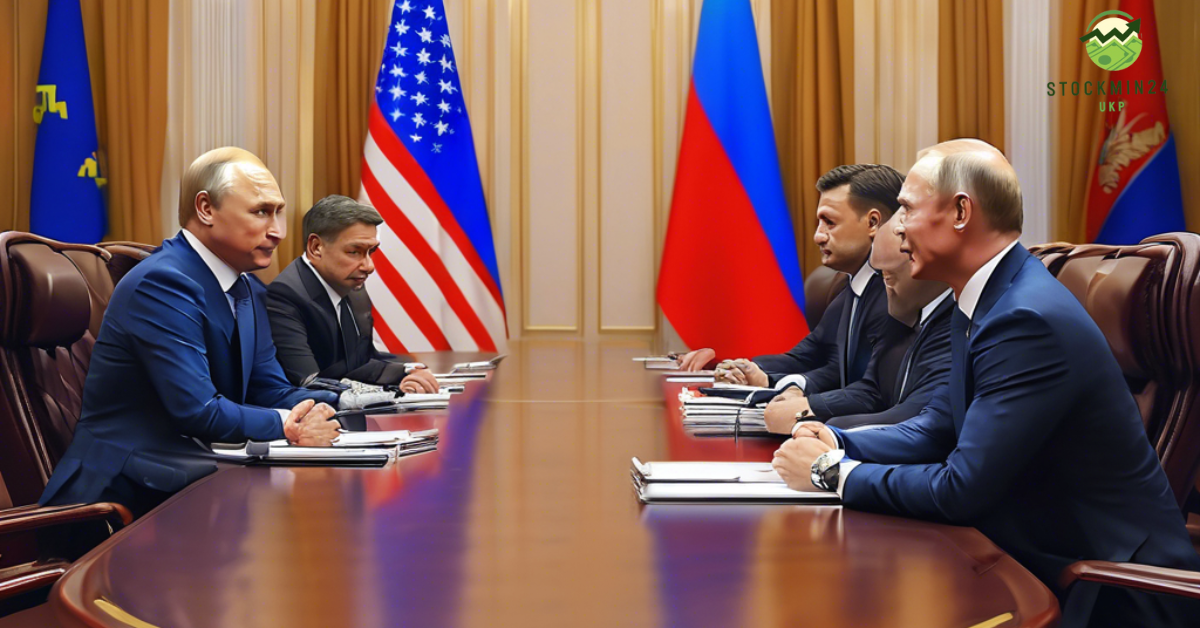
After Putin Call, Trump Says Russia and Ukraine to Start ‘Immediate’ Talks on Ceasefire
In a surprising development that could reshape the trajectory of the ongoing Russia-Ukraine war, former U.S. President Donald Trump announced that Moscow and Kyiv have agreed to begin “immediate” negotiations toward a ceasefire. The statement followed a private phone call between Trump and Russian President Vladimir Putin, reigniting debates about diplomatic backchannels, geopolitical leverage, and the potential for a breakthrough in one of Europe’s most devastating conflicts in decades.
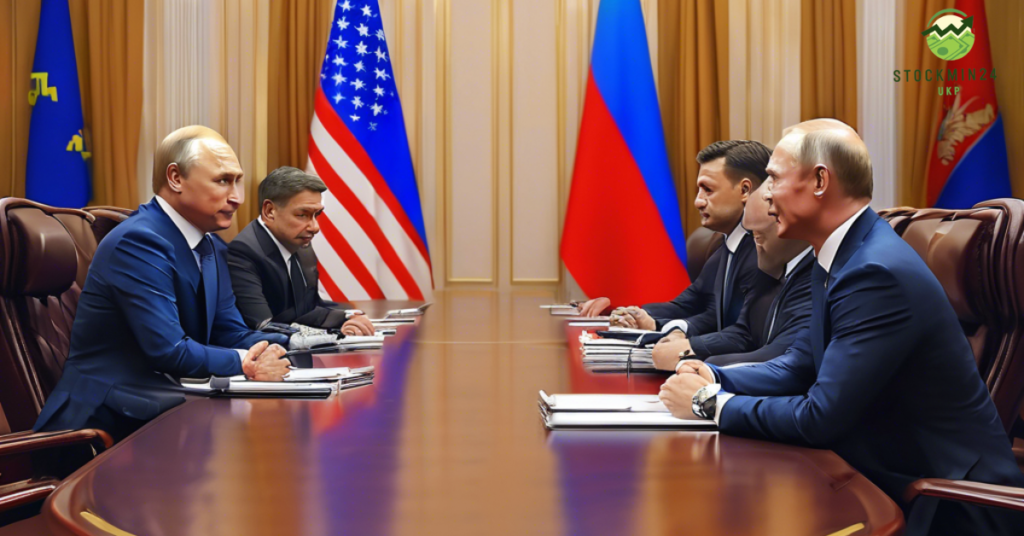
The Putin-Trump Conversation: A Diplomatic Gambit?
According to Trump’s public remarks, the call with Putin focused on “ending the bloodshed” and creating a framework for peace. While details of the discussion remain sparse, Trump emphasized that both Russia and Ukraine are now “ready to talk seriously” after months of stalled negotiations. The former president, who has long positioned himself as a dealmaker capable of resolving international crises, stated:
“President Putin understands the need for peace, and so does Ukraine. This war has gone on too long. Immediate talks will save lives and restore stability.”
The announcement comes amid escalating violence in eastern Ukraine, where Russian forces have intensified offensives ahead of winter. Ukrainian President Volodymyr Zelenskyy’s administration has yet to confirm its participation in the proposed talks, raising questions about the legitimacy of Trump’s claims and the mechanisms behind this sudden diplomatic push.
Announcement of Immediate Talks: Fact or Fiction ?
The White House and U.S. State Department have not officially commented on Trump’s statement, underscoring the unusual nature of a former president engaging in freelance diplomacy. Current U.S. President Joe Biden has consistently supported Ukraine’s sovereignty and military defense, while Trump has repeatedly criticized Biden’s approach, arguing that he could “end the war in 24 hours” if reelected.
Key questions persist:
- Did Putin and Zelenskyy approve Trump’s mediation?
While Putin’s office acknowledged the call with Trump, it provided no specifics about ceasefire plans. Kyiv has remained silent, suggesting internal deliberations or skepticism about Trump’s role. - What are the proposed terms?
Trump hinted at territorial compromises but avoided specifics. Previous Russian demands included recognition of annexed Crimea and autonomy for Donbas—conditions Ukraine has rejected. - How does this align with international efforts?
The U.N., EU, and NATO have advocated for Ukraine’s territorial integrity. Any deal perceived as rewarding Russian aggression could fracture global consensus.
Reactions from Kyiv, Moscow, and Beyond
Ukraine’s Response
Ukrainian officials have cautiously welcomed the prospect of talks but stressed that any agreement must respect their pre-2014 borders. Mykhailo Podolyak, a senior advisor to Zelenskyy, tweeted:
“Ukraine’s position is clear: no compromises on sovereignty. We’ll negotiate when Russia withdraws.”

Russia’s Stance
The Kremlin released a brief statement confirming Putin’s call with Trump but framed it as part of “ongoing dialogues with global leaders.” Russian state media, however, has amplified Trump’s comments, portraying them as a victory for Putin’s diplomatic strategy.
International Community
European leaders expressed skepticism. German Chancellor Olaf Scholz remarked, “Peace cannot come at the cost of justice.” Meanwhile, China, a Russian ally, called for “pragmatism,” reflecting its neutral-but-leaning stance.
Challenges to a Ceasefire
Even if talks proceed, formidable obstacles remain:
| Challenge | Description |
|---|---|
| Territorial Disputes | Russia occupies 20% of Ukraine, including Crimea. Kyiv demands full withdrawal. |
| War Crimes Accountability | Ukraine seeks justice for atrocities; Russia rejects international tribunals. |
| Geopolitical Trust Gaps | Mutual distrust between Moscow and NATO complicates第三方 mediation. |
| Domestic Politics | Putin faces pressure from hardliners; Zelenskyy risks backlash from Ukrainians. |
FAQ: Section
Q1: Why is Donald Trump involved in Russia-Ukraine negotiations ?
A: Trump has positioned himself as an intermediary, citing his rapport with Putin and criticizing Biden’s handling of the war. His involvement is unofficial and stems from his political brand as a negotiator.
Q2: Has Ukraine agreed to the talks ?
A: As of now, Ukraine has not confirmed participation. Zelenskyy’s team insists any negotiation must align with their “10-point peace plan,” which includes Russian withdrawal and reparations.
Q3: How have previous ceasefire attempts fared ?
A: Past efforts, like the 2014 Minsk Agreements and 2022 Istanbul talks, collapsed due to violations and conflicting interpretations.
Q4: What role does the U.S. play in this process ?
A: The Biden administration remains Ukraine’s top military backer. Trump’s unilateral move could undermine official U.S. policy, sparking concerns about mixed messaging.
Q5: Could this lead to a lasting peace ?
A: Experts are skeptical. Without addressing core issues like borders and security guarantees, any ceasefire may be temporary.
Historical Context: Ceasefires in the Russia-Ukraine War
| Ceasefire | Year | Outcome | Reason for Collapse |
|---|---|---|---|
| Minsk I | 2014 | Temporary halt to fighting in Donbas | Violations by both sides; political disputes |
| Minsk II | 2015 | Expanded autonomy for separatist regions | Failed implementation; ongoing clashes |
| Istanbul Negotiations | 2022 | Russian withdrawal from Kyiv | Breakdown over Crimea and Donbas status |
Conclusion
Donald Trump’s announcement of imminent Russia-Ukraine talks injects a new variable into a war defined by stalemates and shifting frontlines. While the prospect of dialogue offers a glimmer of hope, the lack of concrete details and Ukraine’s non-committal response temper optimism.
For any ceasefire to hold, it must address existential issues: territorial integrity, security guarantees, and accountability. The international community, particularly the U.S. and EU, must balance support for Ukraine with pressure for pragmatic solutions.
Ultimately, this development underscores the chaotic interplay of diplomacy, domestic politics, and global power struggles. Whether Trump’s gambit evolves into a credible peace process or fades as a political spectacle depends on the willingness of both Moscow and Kyiv to prioritize compromise over conquest.