

Trump Explains Reason for Doubling Steel, Aluminum Tariffs
Trump Explains. Former President Donald Trump has once again made headlines by doubling down on his controversial economic strategy—specifically, doubling tariffs on imported steel and aluminum. The move, which echoes decisions made during his first term in office, is drawing mixed reactions from economists, industry leaders, and political commentators.
In a recent rally and follow-up press conference, Trump outlined his rationale for this bold move. His explanation centered on national security, economic independence, and the revival of American manufacturing—a theme consistent with his “America First” policy. Below, we break down the context, motivations, reactions, and expected impacts of this decision.
Background: The History of Trump’s Tariff Strategy
Tariffs on steel and aluminum imports were first introduced in March 2018, during Trump’s initial tenure as president. Citing Section 232 of the Trade Expansion Act of 1962, the administration argued that excessive reliance on foreign metals posed a national security risk.
- 25% tariff on steel
- 10% tariff on aluminum
Now, with Trump’s campaign heating up and his renewed focus on trade protectionism, he has proposed doubling these tariffs—raising them to 50% for steel and 20% for aluminum.
Trump’s Explanation: Why Double the Tariffs?
1. National Security Concerns
Trump stressed that maintaining a robust domestic metal industry is essential for national defense. “If we can’t make our own steel, how can we build ships, tanks, or infrastructure in a time of crisis?” he questioned.
He emphasized that relying on potentially adversarial nations for critical raw materials puts the United States at long-term strategic risk.
2. Revitalizing U.S. Manufacturing
Another core reason cited by Trump is his ambition to revive American manufacturing. He argued that unfair competition from countries like China, which often subsidize their steel industries, has driven U.S. mills out of business.
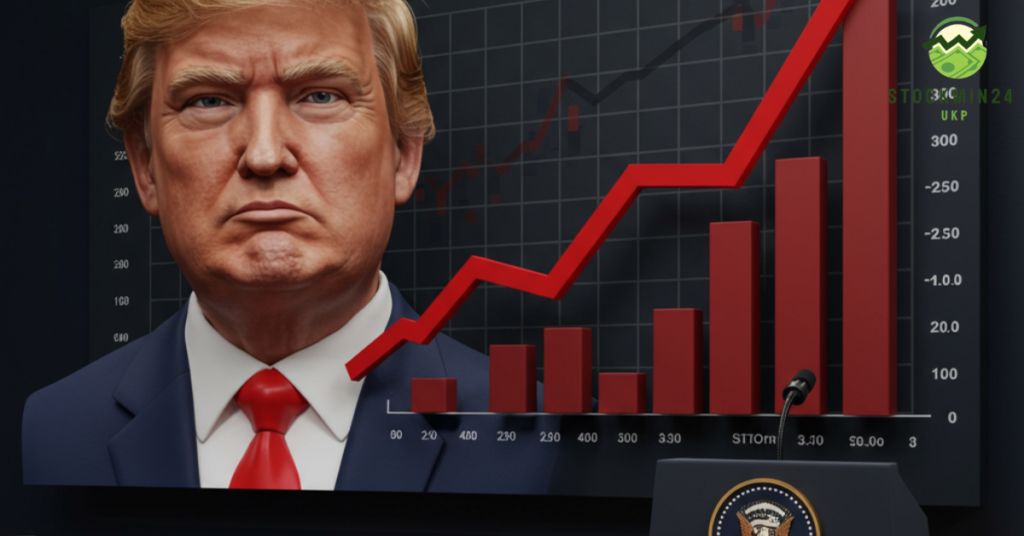
By doubling tariffs, Trump believes that domestic producers will regain a competitive edge, leading to job creation, factory reopenings, and improved supply chains.
3. Reducing Trade Deficits
Trump also criticized what he called “one-sided trade deals” that have allowed foreign producers to flood the U.S. market with cheap metals. He stated that the higher tariffs will help reduce the U.S. trade deficit by encouraging more domestic consumption of American-made goods.
4. Political Messaging for 2024
While not explicitly stated, political analysts believe this announcement also serves as a campaign strategy aimed at Rust Belt states like Pennsylvania, Ohio, and Michigan—regions heavily impacted by industrial job losses. By promising to protect American jobs, Trump is once again appealing to his blue-collar base.
Industry and Global Reactions
Domestic Reactions
- U.S. Steel Producers: Generally supportive. Companies like U.S. Steel and Nucor welcomed the announcement, claiming it would help stabilize domestic prices and boost investment.
- Manufacturers and Automakers: Concerned. Organizations like the National Association of Manufacturers (NAM) warn that higher raw material costs will lead to increased production expenses, potentially impacting product prices and global competitiveness.
Global Reactions
- European Union and Canada: Strongly opposed. Leaders from these regions have called the tariff hike “unjustified” and “protectionist.” Some have threatened retaliatory tariffs on American exports such as agriculture and technology products.
- China: Largely muted so far, but trade experts expect diplomatic protests or countermeasures if the tariffs are officially enacted.
Economic Impacts: What to Expect
| Impact Area | Expected Effect |
|---|---|
| Steel/Aluminum Prices | Likely to rise due to reduced foreign competition |
| Manufacturing Costs | Higher costs for sectors relying on steel/aluminum (e.g., auto, aerospace, construction) |
| Consumer Prices | Potential increase in costs of goods containing metal components |
| Employment in Metal Sector | Possible job growth due to renewed domestic demand |
| Trade Relations | Increased tensions with trading partners, risk of trade wars |
| Stock Market | Short-term volatility, especially in industrial and manufacturing sectors |
Frequently Asked Questions (FAQ)
| Question | Answer |
|---|---|
| Why is Trump doubling the tariffs now? | Trump believes that national security and economic independence require stronger protection of domestic industries like steel and aluminum. |
| What are the new tariff rates? | 50% on imported steel and 20% on imported aluminum, up from 25% and 10% respectively. |
| Which countries are most affected by these tariffs? | Canada, Mexico, China, South Korea, Brazil, and European Union nations that export large quantities of metal to the U.S. |
| Will this help U.S. steelworkers? | Possibly, by making domestic production more profitable and increasing job demand in local mills. |
| How will this impact consumers? | Prices for goods containing steel and aluminum—like cars, appliances, and electronics—may rise. |
| Is this move legal under international trade laws? | The Trump administration cites national security under Section 232, though it may be challenged at the WTO. |
| What’s the economic rationale behind tariffs? | Tariffs make imported goods more expensive, which theoretically encourages domestic consumption and boosts local industry. |
| What are the risks of this decision? | Higher production costs, trade retaliation, strained alliances, and inflation are all possible consequences. |
| Are there any exemptions? | Trump mentioned the possibility of conditional exemptions for allies, based on reciprocal trade agreements or national defense cooperation. |
| How does this compare to Biden’s trade policy? | Biden took a more multilateral approach, favoring alliances and negotiations. Trump’s method is more unilateral and confrontational. |
Political Analysis: Is This a Winning Strategy?
Trump’s decision to double tariffs could serve as a cornerstone of his 2024 campaign messaging, especially in battleground states. Protectionist policies often resonate with voters in manufacturing-heavy regions, even if the broader economic impact is debated.
However, critics warn that the move may alienate international partners, raise costs for U.S. businesses, and inflame global trade tensions, just as the global economy is seeking stability post-COVID and amid rising geopolitical uncertainties.
Conclusion: A Bold But Risky Gamble
Trump’s proposal to double tariffs on steel and aluminum is not just an economic maneuver—it’s a statement. It reinforces his long-standing view that America must prioritize its own industries, even at the expense of global trade harmony.
Whether this strategy will prove effective depends on multiple factors:
- Will it truly revive American manufacturing, or merely inflate costs?
- Can it secure voter support in key swing states?
- Will it spark trade wars that harm other sectors of the economy?
As with many of Trump’s policies, the effects will be closely watched—not just by voters, but by business leaders, economists, and international allies alike.
If enacted, these tariff increases will mark a significant return to hardline economic nationalism, potentially setting the tone for America’s trade posture in the years ahead.