

Want to See Where Trump’s Tariffs Are Leading U.S. Business? Look at Georgia
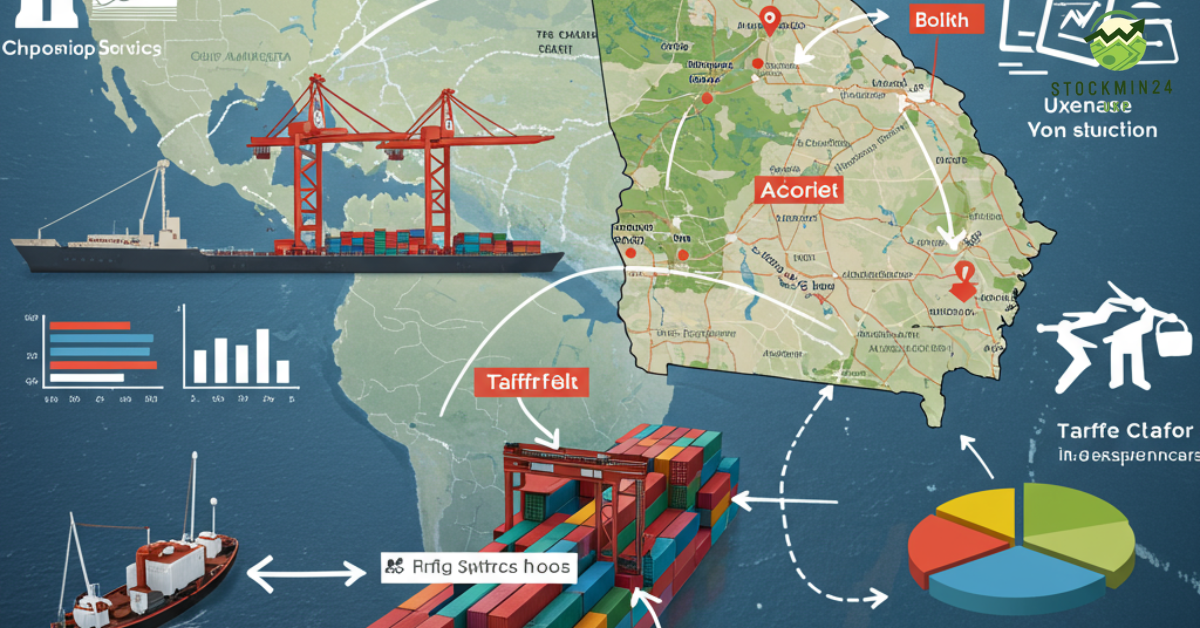
Georgia. Since the implementation of Donald Trump’s aggressive tariff policies during his presidency, businesses across the United States have been forced to rethink their supply chains, pricing structures, and long-term growth strategies. While these effects have rippled throughout the country, no state better illustrates the ground-level consequences—and opportunities—of these economic maneuvers than Georgia.
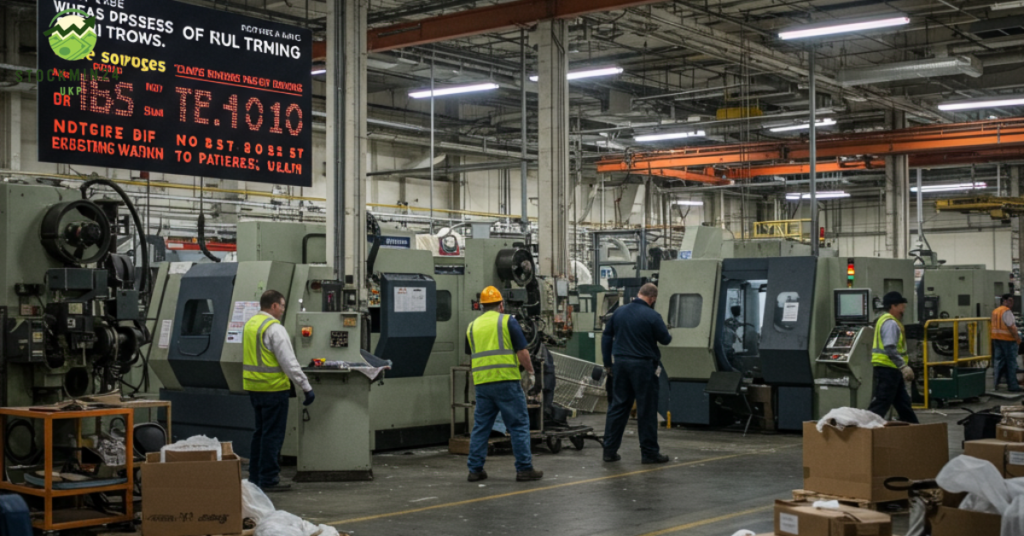
The Peach State, known for its strategic location, business-friendly environment, and robust logistics infrastructure, has become a focal point in America’s evolving trade war playbook. From the expansion of domestic manufacturing to shifting foreign investment trends, Georgia paints a complex picture of how Trump’s tariffs are reshaping American business.
Georgia: A Case Study in Tariff Impact
When Trump introduced tariffs on Chinese goods and European steel and aluminum, many multinational corporations with operations in the U.S. found themselves reevaluating their sourcing and production strategies. In Georgia, this translated into three major developments:
1. Manufacturing Reshoring
Manufacturers began relocating production to the U.S. to avoid rising import costs. Georgia, with its relatively low labor costs, supportive government policies, and access to major ports like Savannah, became a hotspot.
Example:
Kia Motors expanded its plant in West Point, Georgia, while other companies, including smaller auto parts suppliers, followed suit to avoid Chinese-made components now taxed under new tariffs.
2. Logistics and Infrastructure Boom
Georgia’s ports and intermodal transportation infrastructure saw surging demand. The Port of Savannah, one of the fastest-growing in the country, handled record container volumes as companies rerouted goods from higher-tariff regions.
3. Foreign Investment Shifts
Foreign firms, especially from Asia and Europe, began investing in U.S. soil to avoid being caught in tariff crossfire. Georgia’s aggressive economic development programs made it an attractive landing zone.
Example:
SK Innovation, a South Korean battery maker, began building a massive battery plant in Commerce, Georgia. The project, valued at nearly $2.6 billion, promises to create over 2,600 jobs.
Winners and Losers: Sector-by-Sector Analysis
| Industry | Tariff Impact | Georgia-Specific Effects |
|---|---|---|
| Automotive | Cost increase for imported components; pressure to reshore | Expansion of parts manufacturing and EV battery plants |
| Agriculture | Retaliatory tariffs from China hit soybean and pecan exports | Farmers suffered export declines and price drops |
| Logistics | Increased port traffic; rerouting of global trade | Record growth at Port of Savannah and logistics hiring |
| Construction | Higher costs for imported steel/aluminum | Marginal slowdown in new industrial construction |
| Retail | Higher consumer prices on Chinese imports | Strain on Georgia-based importers and wholesalers |
How Georgia Businesses Are Adapting
1. Diversification of Supply Chains
Companies in Georgia have aggressively diversified their supplier base, turning to nations like Vietnam, Mexico, and India to avoid Chinese tariffs.
2. Increased Automation
To offset higher labor and material costs from reshoring production, Georgia-based manufacturers are investing in automation technologies and smart factories.
3. Lobbying and Policy Engagement
Business coalitions, including the Georgia Chamber of Commerce, have ramped up lobbying efforts to push for more stable trade policy, regardless of administration changes.

Voices from the Ground
Tom Richards, Owner of a Small Auto Parts Firm in Atlanta
“We were hit hard when Chinese imports were taxed. It forced us to find local suppliers. Costs went up, but we’ve since developed stronger relationships with domestic vendors.”
Latoya Green, Logistics Manager at Savannah Port
“Volume has exploded since 2018. Tariffs caused shippers to rethink routes, and we benefited. We’ve added infrastructure and staff to keep up.”
The Political Context: Trump’s Tariff Legacy
Trump’s tariffs were aimed at leveling the playing field, especially against China. While some experts argue they protected key American industries, others say they disrupted global supply chains and hurt U.S. consumers. Georgia, in particular, showcases both the strengths and shortcomings of this policy.
Key facts:
- Trump imposed 25% tariffs on steel and 10% on aluminum in 2018.
- Over $350 billion worth of Chinese imports were targeted by 2020.
- China retaliated with tariffs on U.S. agricultural products—a major blow to Georgia’s farming sector.
FAQ Table: Understanding Trump’s Tariffs and Georgia’s Role
| Question | Answer |
|---|---|
| What were Trump’s tariffs targeting? | Primarily Chinese imports, steel, and aluminum, aimed at reducing trade deficits and reviving domestic industries. |
| Why is Georgia heavily impacted? | Georgia is a logistics hub, manufacturing base, and agricultural exporter—all sectors affected by tariffs. |
| How did the Port of Savannah benefit? | Increased container volume due to rerouted trade from Asia and Europe trying to avoid tariffs. |
| Which companies invested in Georgia due to tariffs? | SK Innovation, Kia, and several smaller manufacturers either expanded or initiated new projects. |
| Did all sectors benefit? | No. While manufacturing and logistics grew, agriculture and retail faced setbacks due to retaliatory tariffs and import costs. |
| Are these changes permanent? | Some—like infrastructure investment—are long-term. Others depend on future trade policies and global conditions. |
Looking Ahead: What This Means for U.S. Business Strategy
Georgia’s experience illustrates several emerging trends for U.S. businesses navigating tariff-heavy environments:
- Strategic Geographic Planning – Companies are looking to states with port access, low taxes, and skilled labor for expansion.
- Nearshoring and Reshoring – To reduce risk, firms are bringing operations closer to home.
- Focus on Trade Policy Stability – Businesses want predictability. Georgia’s Chamber of Commerce is pushing hard for bipartisan solutions to end trade-related uncertainty.
Conclusion
While much of the national conversation around tariffs is polarized, Georgia offers a more nuanced narrative. It shows that tariff policy is not merely a cost—it can also be a catalyst for growth, innovation, and localization when aligned with the right infrastructure and policy support.
Trump’s tariffs disrupted the status quo, but in Georgia, that disruption has brought opportunity. From reshored manufacturing to booming logistics and a spike in foreign direct investment, Georgia has seized its moment on the new economic frontier.
As the debate over protectionism versus globalization continues, business leaders and policymakers alike would do well to study Georgia’s response. Because if you really want to see where Trump’s tariffs are leading U.S. business—just look at Georgia.