


Nvidia CEO Warns That Chinese AI Rivals Are Now ‘Formidable’
Nvidia CEO. In a world increasingly driven by artificial intelligence (AI), global tech leaders are keeping a close eye on emerging challengers. One such warning comes from none other than Nvidia CEO Jensen Huang, who has recently acknowledged the rapid rise of Chinese AI companies, labeling them as “formidable” competitors.
As the arms race in AI intensifies, particularly in light of geopolitical tensions and the strategic importance of semiconductors, this statement signals a significant shift in how Western tech giants view China’s capabilities in the AI domain. Nvidia, a leading player in AI chips, is facing a new landscape where dominance is no longer guaranteed.

The Growing Influence of Chinese AI Firms
China’s technology sector has long been focused on catching up with, and in some cases surpassing, Western competitors. Over the past decade, Chinese companies such as Baidu, Alibaba, Tencent, and newer entrants like SenseTime, iFlyTek, and Huawei’s AI division have made monumental investments in AI research and development.
These efforts have led to breakthroughs in areas such as:
- Natural Language Processing (NLP)
- Computer Vision
- Autonomous Driving
- Voice Recognition
- Generative AI

Why Nvidia Is Paying Attention
As the world’s dominant supplier of AI chips, particularly its highly coveted H100 and A100 GPUs, Nvidia has been riding the wave of demand from AI developers, data centers, and large language model (LLM) creators like OpenAI.
However, recent U.S. export restrictions have limited Nvidia’s ability to sell its most advanced chips to China. In response, Chinese companies are accelerating the development of homegrown alternatives and RISC-V based AI chips, many of which are approaching the performance benchmarks of Nvidia’s lower-tier offerings.
Key Points That Have Caught Nvidia’s Attention:
| Concern Area | Details |
|---|---|
| Chip Independence | Companies like Huawei are developing AI chips like Ascend 910B. |
| Generative AI Competence | Baidu’s ERNIE Bot and SenseTime’s LLMs show strong performance. |
| Cloud Infrastructure | Alibaba and Tencent expanding cloud AI services at scale. |
| Government Support | Massive subsidies and national AI strategies fuel rapid growth. |
Chinese AI vs. Western AI: A Comparative Glance
| Metric | Chinese AI Ecosystem | Western AI Ecosystem |
|---|---|---|
| Leading Companies | Baidu, Huawei, Alibaba, SenseTime | OpenAI, Nvidia, Google DeepMind, Meta |
| AI Chip Development | Ascend, Cambricon, Alibaba Hanguang | Nvidia GPUs, Google TPUs, AMD Instinct |
| Data Access | Broad domestic data, fewer restrictions | Limited by privacy laws and regulations |
| Government Role | Strong policy and funding support | Mixed government-industry collaboration |
| Export Constraints | Limited access to Western tech | Unrestricted in most regions |
| Global Reach | Primarily domestic or regional | Broad international reach and adoption |
Nvidia’s Strategy Moving Forward
- Diversifying Markets: Beyond China, Nvidia is expanding in regions like India, Southeast Asia, and Europe to hedge against geopolitical risks.
- Customized Products: Nvidia is developing China-compliant chips like the A800 and H800, tailored to meet U.S. export controls while still serving demand.
Recent Strategic Initiatives by Nvidia:
- Partnerships with global cloud providers like AWS, Google Cloud, and Oracle.
- Increased R&D in AI-specific hardware, including the upcoming Blackwell architecture.
- Investments in AI startups through Nvidia’s Inception Program.
- Expanding software ecosystem, including CUDA, cuDNN, and Triton Inference Server, making Nvidia chips essential for AI workflows.
Global Implications: More Than Just a Tech Rivalry
The tension between Chinese and U.S. tech sectors isn’t just about business—it’s also about national security, global AI governance, and data sovereignty. The U.S. fears that China’s AI breakthroughs could be used in military applications or to bolster surveillance.
China, on the other hand, views self-reliance in semiconductors and AI as a matter of survival, especially after repeated tech sanctions.
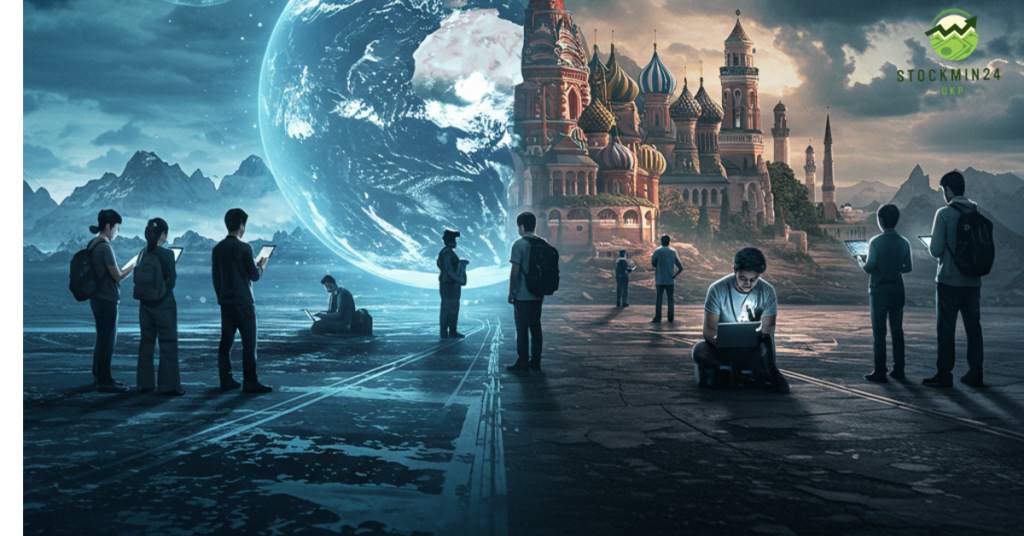
Jensen Huang’s acknowledgment of Chinese AI as “formidable” reflects this broader strategic context. It’s not just competition; it’s a high-stakes game of technological independence and influence.
Frequently Asked Questions (FAQ)
| Question | Answer |
|---|---|
| Why did Nvidia’s CEO call Chinese AI companies ‘formidable’? | Jensen Huang noted their rapid advancements, growing self-sufficiency in chips, and competitive AI models that rival Western innovations. |
| Which Chinese AI companies are considered leaders? | Baidu, Alibaba, Tencent, Huawei, SenseTime, iFlyTek, and Megvii are among the top players. |
| What are the main challenges Nvidia faces in China? | U.S. export restrictions on high-end AI chips, rising local competition, and geopolitical tensions. |
| How is China responding to AI chip bans? | By fast-tracking the development of domestic chips like Huawei’s Ascend series and investing in AI talent and startups. |
| Can Chinese AI chips compete with Nvidia? | While not yet superior, Chinese chips are closing the performance gap and becoming viable for many applications. |
| Is Nvidia developing new chips for China? | Yes, including modified GPUs like the A800 and H800 to comply with export rules. |
| What’s next for Nvidia in the global AI race? | Further innovation in AI hardware, global expansion, strategic partnerships, and focus on software ecosystems. |
Conclusion: A New Era of Global AI Competition
The world of artificial intelligence is no longer dominated by a few American tech firms. As Chinese companies make rapid strides in AI algorithms, infrastructure, and even chip design, the balance of power is shifting.
Nvidia, long considered the gold standard in AI hardware, now finds itself in a position where innovation alone is not enough. Strategic positioning, geopolitical navigation, and technological collaboration will be key to staying ahead.
Jensen Huang’s remarks aren’t just a nod to competition—they’re a clarion call. The era of global AI cooperation is evolving into one of strategic rivalry, and companies on both sides of the Pacific must prepare for a future where dominance is earned, not assumed.
Want more insights like this? Stay tuned for our in-depth analysis on AI chip wars, U.S.-China tech policy, and Nvidia’s global trajectory.
Let me know if you’d like a downloadable version of this article (Word or PDF), image suggestions, or internal links for better SEO performance.